
Clean gym mats protect your health, save money, and keep your workout space safe. The difference between mats that last three years versus ten years comes down to proper cleaning and care. With health concerns at an all-time high, effective cleaning has become both a necessity and a protection strategy for fitness facilities.
Every gym uses different types of flooring materials. Each one needs a specific cleaning approach to stay clean without getting damaged.
The wrong cleaning method can ruin expensive equipment in just a few months. But when you do it right, your mats will last much longer and stay safe for everyone to use.
Know Your Mat Material Before You Start Cleaning
Different gym mat materials need different cleaning methods based on their structure, how much liquid they absorb, and what chemicals they can handle.
You can’t use the same approach for rubber mats and foam mats.
Rubber Mats Handle Tough Cleaning
Rubber mats, including virgin rubber, recycled rubber, and vulcanized rubber types, are the most durable and can resist most chemicals. These materials work well with pH-neutral cleaners, mild soap solutions, and most EPA-approved disinfectants.
Virgin rubber resists chemicals better and can be sealed with up to four coats of rubber floor finish. Recycled rubber has a more porous structure that might soak up liquids if you don’t maintain it properly.
The key with rubber surfaces is avoiding acidic cleaners like undiluted vinegar or bleach, plus solvent-based products like Pine-Sol or Murphy’s Oil Soap. These products cause chemical breakdown and surface damage.
EVA Foam Mats Offer Great Flexibility
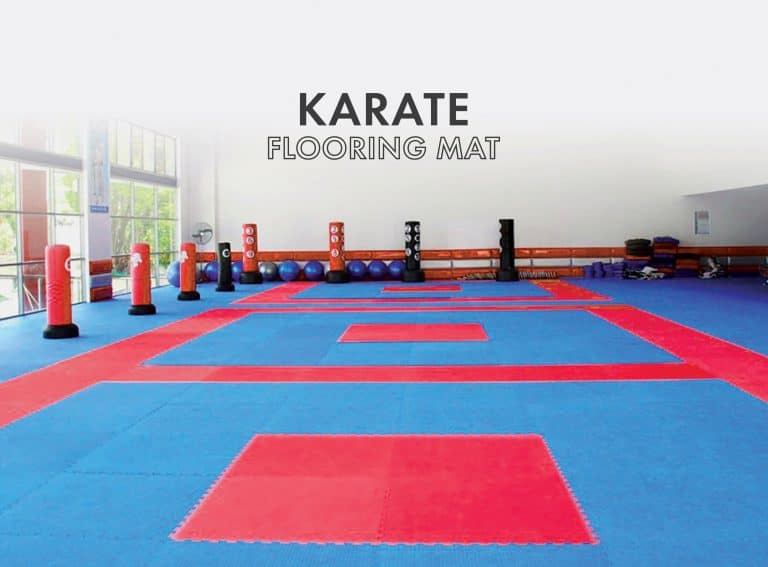
EVA foam mats work well because their closed-cell structure makes them waterproof and non-absorbent. These mats can handle basic household floor cleaners and even allow for complete removal and washing in sinks or outdoor hosing.
Supreme EVA Industries manufacture high-quality EVA foam mats specifically designed for gym environments. Our SP2100 and SP2102 series offer multiple surface textures including cross and tatami patterns with various hardness levels. For heavy equipment, their SP2102H(80) series provides extra density to handle substantial weight without denting.
The puzzle mat style needs special attention at the seams. Moisture can get trapped there and create mold if you don’t dry it properly.
PVC and Vinyl Mats Are the Easiest to Clean
PVC and vinyl mats offer the most cleaning options, tolerating warm water washing, disinfectant sprays, and even machine washing on cold, gentle cycles. The smooth surface makes them perfect for high-contamination areas. Just watch out – they can get slippery when wet with sweat.
Specialty Mats Need Immediate Attention
Wrestling and martial arts mats need cleaning right after each practice session. These vinyl-covered foam constructions need careful moisture management to protect the foam core while thoroughly sanitizing the contact surfaces.
Daily Cleaning Keeps Everything Safe
High-traffic gym environments require equipment sanitization after every use plus comprehensive daily cleaning cycles. How often you clean depends on how busy your gym gets. Facilities serving over 500 members daily need equipment cleaning 3-4 times per day, while smaller operations can maintain safety with twice-daily comprehensive cleaning.
Start with Dry Cleaning
Daily maintenance begins with dry cleaning to remove debris before introducing moisture. Never skip the sweeping or gentle vacuuming step. Trapped particles become like sandpaper during wet cleaning and can damage your mat surface. Use soft-bristle brushes for vacuuming and avoid beater bars that can tear or stress mat surfaces.
Use the Right Wet Cleaning Process
The wet cleaning process should use pH-neutral cleaners specifically formulated for gym environments. MatGuard Surface Spray, Clear Gear Sports Disinfectant, and Zogics cleaning systems represent proven commercial options that balance pathogen elimination with material safety. Apply cleaning solutions with microfiber cloths or soft-bristle brushes, working in circular motions to prevent streaking.
Give Disinfectants Time to Work
Contact time determines disinfection effectiveness more than scrubbing intensity. Most EPA-approved disinfectants require 1-10 minutes of surface contact to achieve their stated pathogen elimination rates. Don’t rush this step – it’s the difference between actually killing germs and just moving them around.
Quaternary ammonium compounds typically need 4-10 minutes, while alcohol solutions work within 1 minute, and bleach solutions require 1-5 minutes depending on concentration.
Let Everything Dry Completely
Complete air drying is non-negotiable for preventing mold and mildew growth. Mats must be completely dry before use, typically requiring 2-4 hours depending on ventilation and humidity conditions. Use wet vacuums to remove excess moisture and position fans to speed up drying when needed.
Deep Cleaning Brings Back Like-New Performance
Weekly deep cleaning goes beyond surface sanitization to address embedded contaminants and prevent long-term degradation. This means removing mats completely to clean both sides and the floor underneath. You’ll find hidden moisture and debris that daily cleaning can’t reach.
Rubber Mat Deep Cleaning
For rubber mats, deep cleaning involves warm water with pH-neutral cleaners, never hot water which can cause expansion and buckling. Commercial facilities should use automatic floor scrubbers or buffing machines for large areas, while smaller operations can achieve excellent results with mop systems designed for rubber flooring.
Foam Mat Special Care
Foam mats require material-specific approaches during deep cleaning. EVA foam can handle more aggressive treatment, including complete soaking and scrubbing. But polyurethane foam must never be soaked – this causes permanent staining. Memory foam needs only spot cleaning with barely damp cloths and 24+ hours of air drying.
Add Long-Term Protection
The deep cleaning process should include antimicrobial treatments for long-lasting protection. Products like Goldshield GS 75 create protective barriers that inhibit bacterial and fungal growth between cleaning cycles, while enzyme-based cleaners break down protein deposits that attract microorganisms.
Monthly Professional Treatment
Monthly professional-grade deep cleaning should incorporate hot water extraction, comprehensive damage assessment, and specialized treatments for high-wear areas. This level of intervention typically costs $100-200 per session but prevents costly replacements and maintains optimal hygiene standards.
Choose Products That Clean Without Destroying
The wrong cleaning product can destroy expensive gym equipment within weeks. Understanding pH levels, active ingredients, and what works with your specific material prevents expensive mistakes.
EPA-Registered Disinfectants Work Best
EPA-registered disinfectants provide the gold standard for pathogen elimination in gym environments. Products on EPA List N for SARS-CoV-2 effectiveness include over 500 options, with Clear Gear Sports Disinfectant, Clorox Commercial Solutions, and Lysol Brand products representing proven choices.
These formulations typically use quaternary ammonium compounds or alcohol as active ingredients, with contact times ranging from 30 seconds to 10 minutes depending on the specific pathogen targeted.
pH-Neutral Cleaners Provide Balance
pH-neutral cleaners between 6.0-8.0 provide optimal balance for most gym surfaces. Products like E-Cleaner Low Foam, Simple Green, and Enviro Care Neutral Disinfectant maintain cleaning effectiveness while preventing the chemical degradation that occurs with highly acidic or alkaline formulations.
DIY Solutions Can Work Too
DIY cleaning solutions can provide effective alternatives for budget-conscious operations. A 70% isopropyl alcohol solution offers broad-spectrum disinfection with one-minute contact time, while hydrogen peroxide at 3-6% concentration provides antimicrobial action with five-minute contact requirements.
The WHO hand rub formula, modified for surface use, delivers hospital-grade germ elimination at a fraction of commercial product costs.
Products to Avoid at All Costs
Critical products to avoid include Pine-Sol, Murphy’s Oil Soap, undiluted bleach, and petroleum-based solvents on rubber surfaces. These products cause chemical breakdown, cracking, and early aging. Similarly, abrasive cleaners and steel wool create surface scratching that becomes harboring areas for bacteria and makes future cleaning less effective.
Fix Common Problems Before They Get Worse
Stubborn stains, persistent odors, and mold growth represent the most frequent challenges in gym mat maintenance. But you can solve most problems without calling professionals or buying new equipment.
Handle Stains Immediately
Sweat stains require immediate attention with enzyme-based cleaners that break down protein compounds before they set permanently. Apply MatGuard Concentrated Formula at 1:32 dilution, allow 10-minute dwell time, then scrub gently with soft-bristle brushes in circular motions.
Blood stains demand cold water treatment only, as hot water causes protein coagulation. Apply 3% hydrogen peroxide directly, let it foam for five minutes, then blot from outside edges inward to prevent spreading.
Eliminate Odors at the Source
Odor elimination begins with identifying the root cause. New rubber smell from VOC off-gassing typically resolves within 2-8 weeks with proper ventilation and sun exposure when possible.
Bacterial odors from moisture retention require enzyme-based treatments combined with equal parts water and white vinegar, plus 5-10 drops of tea tree oil for antimicrobial properties. Commercial odor neutralizers like Fresh Wave products speed up the process for stubborn problems.
Deal with Mold and Mildew
Mold and mildew removal becomes necessary when humidity exceeds 60% combined with inadequate drying protocols. Small areas under 10 square feet can be treated with baking soda and vinegar solution, while larger infestations require EPA-registered mold removers and potentially professional remediation.
Prevention works better than treatment. Keep humidity below 50%, dry everything completely before storage, and rotate mats regularly.
Professional Standards for Commercial Gyms
Commercial gym operations require systematic maintenance programs that meet health department regulations while optimizing operational efficiency. Professional standards from the International Sanitary Supply Association (ISSA) and Building Service Contractors Association International (BSCAI) provide frameworks for comprehensive facility hygiene.
Train Your Staff Properly
Staff training through ISSA Certified Cleaning Technician programs ensures proper technique and safety compliance. Basic certification covers customer service, cleaning chemistry, floor maintenance techniques, and sanitization protocols, requiring 40 hours of training at $200-500 cost. Advanced certification adds complex restoration tasks and specialized disinfection procedures for supervisory staff.
Set Up Quality Control Systems
Quality control implementation through digital inspection protocols enables consistent standards across multiple locations and staff members. Daily quality checks verify equipment cleaning, supply levels, and safety hazard identification, while weekly audits assess deep cleaning effectiveness and staff performance. Monthly compliance reviews ensure you meet health department regulations and contract performance metrics.
Budget for the Right Equipment
Equipment requirements scale with facility size and usage intensity. Home gyms need basic supplies costing $50-100 monthly, while small commercial operations require $5,000-15,000 equipment investment plus $300-600 monthly supply costs. Large facilities demand industrial-grade systems with $15,000-50,000 equipment investment and $1,000-3,000 monthly operating costs.
Make Your Mats Last Much Longer
Proactive maintenance programs typically extend mat lifespan 60-80% beyond reactive approaches while reducing total cost of ownership by 25-40%. The secret is systematic rotation, environmental controls, and replacement scheduling based on performance data rather than emergency failures.
Store and Handle Mats Correctly
Storage and handling practices significantly impact longevity. Optimal storage maintains 60-75°F temperature, below 50% humidity, with continuous ventilation and minimal light exposure. Wall-mounted racks, rolling carts, and ceiling hoists each work well depending on your space and usage patterns. Never fold mats for storage – this creates permanent creases and stress fractures.
Rotate Mats to Spread Out Wear
Rotation strategies distribute wear patterns evenly across equipment inventory. Zone-based rotation moves mats between high, medium, and low-traffic areas monthly, while time-based systems rotate weekly for high-traffic items and quarterly for low-traffic equipment. Keep track of rotation patterns so you can optimize the system over time.
Know When to Replace vs. Repair
Replacement decision frameworks balance safety, performance, and economic factors. Restore when surface damage only affects appearance, age represents less than 50% of expected lifespan, and repair costs remain under 30% of replacement cost. Replace when safety hazards develop, extensive damage compromises structural integrity, or repair costs exceed 50% of new equipment cost.
Your Action Plan for Success
Start with immediate protocol establishment covering daily cleaning, proper storage, and emergency response procedures for spills and contamination. Train your staff on material-specific cleaning methods and safety protocols to create the foundation for long-term success.
Short-term actions within six months should develop comprehensive maintenance schedules, source appropriate supplies and equipment, establish professional service relationships, and implement tracking systems for performance monitoring. This phase typically takes 3-6 months to achieve optimal efficiency.
Long-term strategic planning analyzes performance data to optimize procedures, develops capital replacement schedules and budgets, and evaluates facility infrastructure improvements. Most programs pay for themselves within 12-18 months through reduced replacement costs and improved operational efficiency.
The results speak for themselves. Systematic gym mat maintenance delivers 60-80% reduction in emergency replacements, 40-60% lower total cost of ownership, and 90% improvement in safety metrics. Success comes from understanding what each material needs, following proven methods, and staying consistent through proper training and quality control.
Your investment in comprehensive maintenance typically pays for itself within the first year. Plus, you’ll create a safer, cleaner workout environment that keeps people coming back.
References and Additional Resources
- J&J Gym Floors: How to Clean and Disinfect Gym Flooring
- Enviro-Master: How to Clean Rubber Gym Floors
- Matguard USA: How to Clean Gym Mats in 2024
- Flooring Inc.: How to Clean Rubber Gym Flooring
- Greatmats: How to Clean EVA Foam Tiles & Vinyl-Covered Gym Mats
- CDC: When and How to Clean and Disinfect a Facility
- EPA: Selected EPA-Registered Disinfectants
- NASM: 11 Steps for Disinfecting your Fitness Facility
- Supreme EVA Industries: Premium EVA Foam Products
- ISSA: Certified Cleaning Technician Programs